

Australian Road Trip Differences Explained
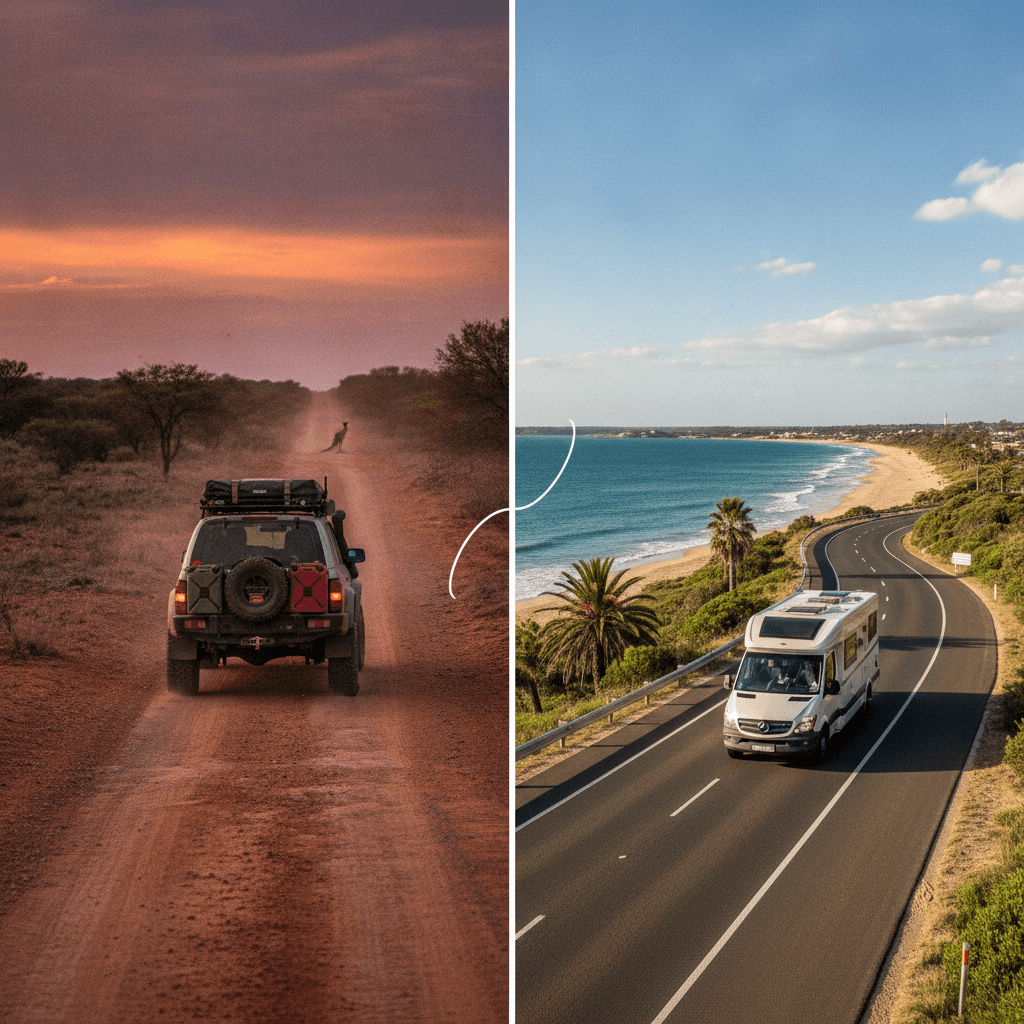
Setting out on a road trip offers an unmatched sense of freedom and discovery. I have found that each country presents its own flavor of adventure, but few places compare to the vast and varied landscape of Australia. When we consider an Australian road trip compared to those in other parts of the world, like a drive through the American wilderness, we find many distinct differences.
I have learned that understanding these distinctions is key to planning a journey that is both enjoyable and safe. This article will help explain the unique aspects of traveling Australia by road. It will cover everything from the immense distances to the incredible wildlife you might encounter.
Planning is everything for such an expedition, and I aim to provide insights so you are well-prepared. Get ready to explore what makes an Australian road trip truly one of a kind, offering experiences that stay with you long after the journey ends.
The Sheer Scale and Isolation of Australian Road Trips
One of the first things I recognized about Australian road trips is the incredible scale of the country. Distances between towns can be vast, far greater than many people expect. I recall driving through stretches where the next service station or town was hundreds of kilometers away. This means that preparing for remote travel is not just a suggestion but a necessity for your trip.
My experience taught me that what looks like a short hop on a map can easily turn into an all-day drive. We are talking about distances that can swallow entire European countries. This size also means varied landscapes and climates as you travel from one state to another.
Vast Distances and Remote Stretches
Imagine driving for hours without seeing another car, town, or even a house. This is a common reality on many Australian highways, especially in the outback. These long, empty roads require careful planning for fuel and supplies.
I always make sure to fill up the tank at every opportunity and carry extra water. It helps to have a reliable navigation system, but I also carry physical maps because phone signal can drop off in remote areas. This isolation is part of the appeal for many, offering peace and quiet that is hard to find elsewhere.
Planning for Self-Sufficiency
Because of the isolated nature of many routes, self-sufficiency is a major theme of Australian road tripping. I learned to be prepared for anything, from a flat tire to unexpected delays. We often carried enough food and water for several days, just in case.
This preparation includes checking your vehicle thoroughly before you leave. Things like tire pressure, oil levels, and spare tire condition are very important. I also recommend a basic toolkit and knowing how to do simple repairs, because help might be a long way off. It feels empowering to be so well-prepared.
Unique Wildlife and Natural Landscapes
Australia’s environment stands apart with its unique creatures and stunning natural beauty. I found that driving here often means sharing the road with animals you won’t see anywhere else. This adds an exciting layer to the experience, but it also demands extra caution from drivers.
The landscapes themselves are incredibly diverse, shifting dramatically as you cover ground. We moved from lush rainforests to stark deserts, and then to breathtaking coastal routes, all within the same trip. This variety makes every day on the road feel new and exciting.
Encounters with Native Animals
When I drive in Australia, I always keep an eye out for wildlife. Kangaroos, wallabies, and even emus are common sights, especially at dawn and dusk. They can appear suddenly on the road, so staying alert is crucial for safety. I learned that hitting an animal can cause serious damage to your vehicle and harm the animal too.
Some people choose to drive only during daylight hours to reduce the risk of animal encounters. This might mean starting your days early and stopping before sunset. It is a good trade-off for a safer journey and a chance to see these animals in their natural habitats without incident.
Diverse Biomes and Scenery
The scenery on an Australian road trip changes constantly, which keeps things interesting. You can drive through the red sands of the outback one week and then find yourself surrounded by the vibrant blue of the Great Barrier Reef coast the next. I have explored ancient rainforests, vast national parks, and stunning beaches.
Each region offers a different set of attractions and photo opportunities. I always bring a good camera to capture these moments. This diversity is a huge part of what makes Australia so appealing for extended road trips, as there is always something new to see and experience around every bend.
Road Conditions and Vehicle Choices
Understanding the types of roads you will encounter and picking the right vehicle for your journey is a critical part of planning an Australian road trip. I learned quickly that not all roads are created equal here. Some major highways are excellent, but many other routes, especially those leading to more remote attractions, are unsealed or require specific vehicle capabilities.
Making the right choice for your car will greatly impact your comfort and safety. We always consider the terrain before deciding what vehicle to rent or prepare. This thoughtful approach saves a lot of trouble down the track.
Paved Roads Versus Outback Tracks
Australia boasts some well-maintained paved highways, perfect for smooth cruising between major cities. However, many of the country’s hidden gems lie off these main routes, often accessed by gravel or dirt tracks. I have driven on everything from perfectly smooth tarmac to rough, corrugated dirt roads that test both driver and vehicle.
It is important to check road conditions before you go, especially if you plan to venture into the outback. Weather can quickly change unsealed roads, turning them from dusty tracks into muddy, impassable bogs. A simple check with local authorities or online resources can make a big difference to your journey’s success.
The Importance of a Reliable Vehicle
For extensive travel, particularly into remote areas, a reliable vehicle is non-negotiable. I always recommend a 4×4 if you intend to explore beyond the main paved roads. These vehicles offer the ground clearance and traction needed to handle challenging terrain.
Even for sealed road trips, a car that is well-serviced and in good condition is vital. Breakdowns in remote areas are not only inconvenient but can also be dangerous due to lack of services and extreme weather. Investing in a good vehicle, or a quality rental, is an investment in your safety and enjoyment on the open road. I have personally seen the relief that comes from having a sturdy car in tough conditions.
Climate Considerations and Seasonal Variations
Australia’s sheer size means it experiences a wide range of climates, and understanding these seasonal variations is crucial for planning your road trip. I quickly learned that planning a trip for the entire continent at once is almost impossible due to differing weather patterns. The perfect time to visit one region might be the worst time for another.
Taking climate into account helps us avoid extreme heat, heavy rains, or even cyclone season. It ensures a more comfortable and safer travel experience, allowing us to truly enjoy the diverse environments.
North Versus South Weather Patterns
The northern parts of Australia, like Queensland and the Northern Territory, have a tropical climate with distinct wet and dry seasons. The wet season, from November to April, brings heavy rains, humidity, and the risk of cyclones and flooding. I generally avoid this period for travel in the north because roads can close and conditions are often very uncomfortable.
In contrast, the southern states, like Victoria and Tasmania, experience four distinct seasons, similar to many parts of Europe or North America. Summers can be hot and dry, while winters are cool and sometimes wet. I prefer to explore the south during spring or autumn for milder weather, which is perfect for driving and sightseeing.
Best Times to Travel Different Regions
Considering these climate differences, I often plan my Australian road trips in segments. The dry season (May to October) is ideal for exploring the tropical north and the Red Centre, offering clear skies and pleasant temperatures. I have enjoyed many wonderful days in these regions during this time.
For the southern regions, spring (September to November) and autumn (March to May) are excellent. The weather is usually mild, and the landscapes are beautiful with blooming wildflowers or changing foliage. Trying to do it all in one go requires careful planning around these different optimal travel windows, or embracing the challenges of various seasons. I find breaking it into smaller trips makes it more enjoyable.
Cultural Immersion and Indigenous Heritage
An Australian road trip offers more than just scenic drives; it provides rich opportunities for cultural immersion and connecting with ancient Indigenous heritage. I have found that taking the time to learn about and respect the traditions of Australia’s First Peoples deepens the entire travel experience. It adds layers of meaning to the landscapes we pass through and the sites we visit.
This engagement makes the journey much more profound than simply seeing beautiful sights. We gain a better understanding of the land and its long history. I believe this aspect truly sets Australian road trips apart.
Connecting with Local Communities
As I travel through regional Australia, I always look for chances to engage with local communities. Many small towns offer unique insights into Australian life, from country pubs to local markets. Some areas also provide opportunities to learn directly from Aboriginal guides about their culture, stories, and connection to the land.
These interactions are often the most memorable parts of my trips. I have found that locals are usually happy to share their knowledge and experiences. Supporting local businesses along the way also helps these communities thrive, making a positive impact with your visit.
Respecting Sacred Sites
Australia is home to countless Indigenous sacred sites, many of which are thousands of years old. When planning my routes, I make sure to be aware of and respect these important places. This often means following guidelines, such as not climbing certain formations or sticking to designated walking paths.
I view these sites not just as tourist attractions but as living cultural landscapes. Learning about their significance enhances my appreciation for the land and its traditional custodians. This respectful approach is a small but important way to honor Australia’s deep history and the people who have cared for it for millennia.
Practical Tips for a Successful Australian Road Trip
Embarking on an Australian road trip demands careful preparation, beyond just mapping your route. From what you pack to how you handle emergencies, these practical considerations can make all the difference. I have gathered some essential tips over my years of travel that I believe are vital for any adventurer heading to Australia. These small details ensure your journey is smooth and memorable.
Thinking ahead about these elements helps us embrace the spontaneity of the road. It ensures that unforeseen issues do not derail the joy of discovery. So, let us get into the practicalities that truly prepare you for the open road.
Essential Packing List
Packing smart is crucial for comfort and safety. Here is a list of items I always ensure we have:
- Plenty of water, more than you think you will need
- Non-perishable food items
- First-aid kit
- Sunscreen, hats, and sunglasses because the sun is strong
- Insect repellent
- Spare tire, jack, and appropriate tools
- Physical maps alongside GPS, for when signal drops
- Power bank for electronics
- Rubbish bags, as bins can be scarce
I find that having these items on hand means we are ready for almost anything the road throws at us. It allows for greater peace of mind during long stretches between towns.
Safety and Emergency Preparedness
Safety is paramount on any road trip, especially in Australia’s remote areas. I always tell people to inform someone of their travel plans, especially if heading off main roads. Share your route and estimated arrival times with a friend or family member.
Consider carrying a satellite phone or an emergency beacon (EPIRB) if you are going truly off-grid. Mobile phone coverage is not guaranteed everywhere. Knowing basic first aid is also a huge plus. Always pay attention to road signs, especially those warning of animals or changing conditions. These steps create a robust safety net for your adventure.
Australian Road Trip Differences Explained
After many years on the road, I can confidently say that an Australian road trip offers an experience unlike any other, with significant distinctions compared to other global adventures. The sheer scale of the country means you often drive for hours through landscapes that feel untouched by human hands, demanding a level of self-sufficiency not found in many other places. I have learned to appreciate the vast emptiness and the unique challenges it presents. The wildlife encounters are truly special, bringing you face-to-face with creatures like kangaroos and emus in their natural habitats, but this also requires constant vigilance from drivers. We also embrace the diverse terrains, from smooth coastal roads to rugged outback tracks, choosing vehicles carefully to match our explorations. These differences are not simply hurdles but rather core elements that shape the adventure.
The variable climates, spanning tropical north to temperate south, require thoughtful seasonal planning to ensure the best possible journey. I always emphasize researching the best time to visit each region to avoid extreme weather. Beyond the physical aspects, the profound opportunities for cultural immersion with Indigenous communities provide a deeper understanding of this ancient land. This blend of vastness, unique nature, and deep culture makes Australian road trips truly distinct. I have shared these insights because I believe that knowing these differences prepares you for an extraordinary journey. If you are curious about how Australian road trips compare to drives in other regions, you might find this Australia road trip comparison helpful for further perspective.
I encourage you to embrace the challenge and the beauty of an Australian road trip. It is an adventure that offers unforgettable memories and a true sense of discovery. Plan well, stay safe, and say yes to the open roads of Australia.
 The Role of Credit for Asian Retail Consumers How Important
  Natural Beauty Hacks Using Kitchen Ingredients Only
  Medical Alert Systems vs. Assisted Living
  Data Analytics to Improve Your Marketing Strategy
  How Glutathione Supports Cardiovascular Health
  Bathroom Plumbing Essentials